- Free Consultation: 312-646-3708 Tap Here To Call Us




Which Are the Most Dangerous Roads for Cyclists that Chicago Riders Should Avoid?


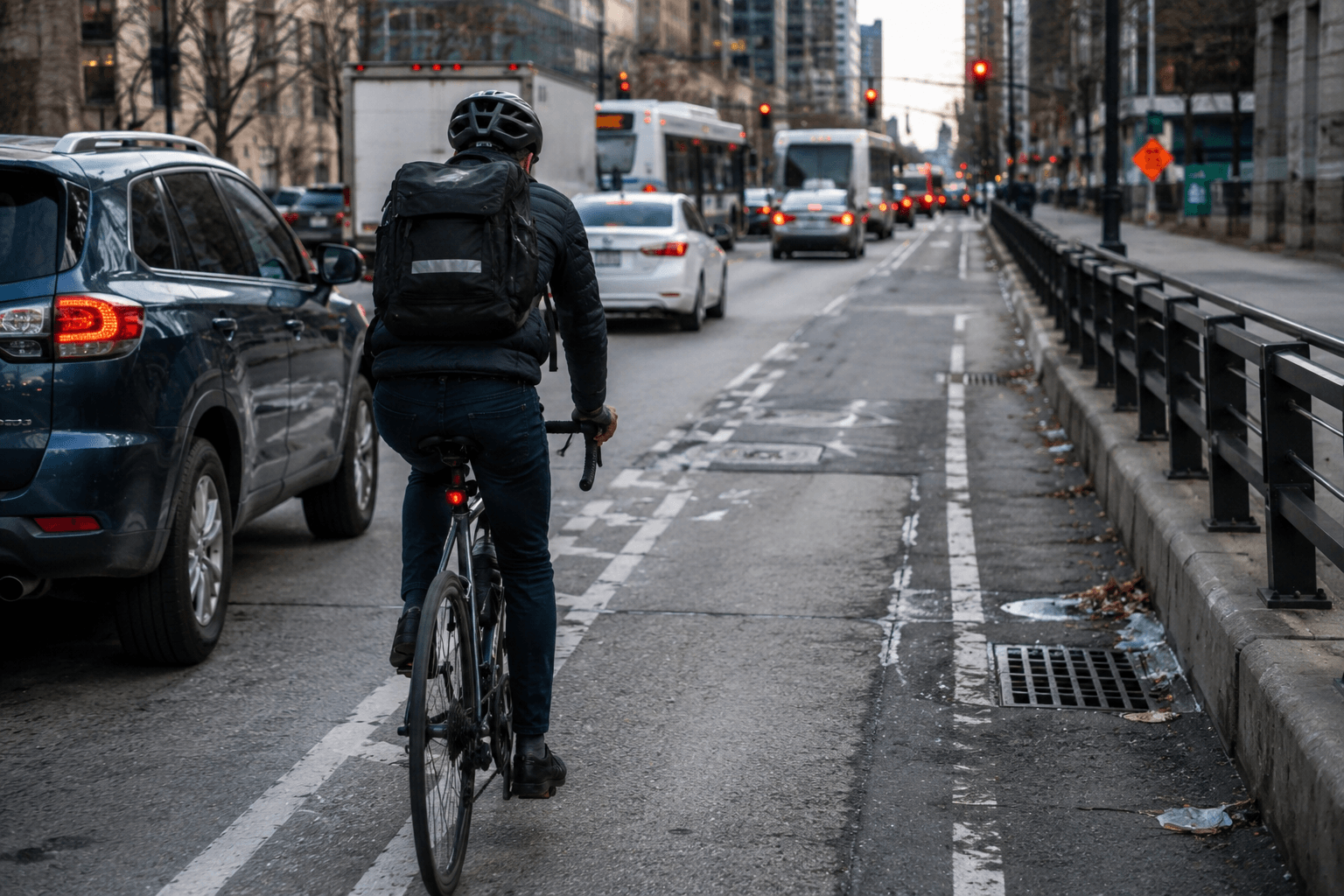
If you ride a bike regularly in Chicago, you already know that some streets feel far more dangerous than others. Heavy traffic, distracted drivers, limited bike lanes, and crowded intersections can turn an everyday ride into a stressful experience. Many cyclists search for the most dangerous roads for cyclists in Chicago that riders should avoid because safety concerns continue to grow across the city.
The good news is that understanding which roads carry higher risks can help you make smarter decisions while riding. In this guide, we will break down some of the most dangerous areas for cyclists in Chicago, explain why accidents happen so often on these roads, and share practical tips that may help reduce your risk while navigating the city. In situations involving serious collisions, knowing when to seek legal help after a failure-to-yield bike accident can also be an important step in protecting your rights.
Why Some Chicago Roads Are More Dangerous for Cyclists
Not every road in Chicago creates the same level of danger for bicyclists. Certain streets have conditions that increase the likelihood of accidents, especially during rush hour or busy downtown traffic periods.
Several factors contribute to dangerous cycling conditions, including:
- High traffic volume
- Limited or missing bike lanes
- Frequent rideshare stops
- Aggressive driving behavior
- Poor visibility at intersections
- Construction zones
- Parked car dooring risks
When multiple risk factors exist on the same roadway, the chances of bicycle accidents increase significantly.
Milwaukee Avenue
Milwaukee Avenue is one of Chicago’s most heavily traveled cycling corridors, but it is also known for dangerous intersections and crowded traffic patterns. Cyclists use this route frequently because it connects several neighborhoods and business districts.
The problem is that heavy vehicle traffic, buses, pedestrians, and rideshare activity often create unpredictable conditions. Intersections along Milwaukee Avenue can become especially dangerous when drivers make sudden turns or fail to yield to cyclists, sometimes leading to serious injuries such as those involved in a bicycle accident eye trauma claim.
Dooring accidents are also a concern in areas with dense street parking. Cyclists riding near parked cars may have very little time to react when a vehicle door suddenly opens.
North Avenue
North Avenue is another road many cyclists consider risky due to fast-moving traffic and inconsistent bike lane protection. Certain stretches become especially dangerous during peak traffic hours when drivers are rushing through intersections, often resulting in incidents that may involve skin injuries caused by bicycle crashes.
Cyclists often report concerns involving:
- Drivers failing to check blind spots
- Sudden lane changes
- Speeding vehicles
- Limited space between cars and bike lanes
Construction and road maintenance can also create additional hazards, forcing cyclists closer to moving traffic.
Western Avenue
Western Avenue is one of the longest streets in Chicago and carries heavy traffic throughout the day. Many portions of the road lack strong separation between cyclists and vehicles, making riders vulnerable during busy periods.
Intersections along Western Avenue are particularly challenging because of multiple turning lanes and large vehicle traffic. Cyclists may struggle with visibility issues when trucks, buses, or delivery vehicles are nearby, and in severe cases, these collisions may lead to a wrongful death bicycle accident claim.
The combination of speed, congestion, and limited bike infrastructure contributes to a higher risk of bicycle accidents on this roadway.
Ashland Avenue
Ashland Avenue is another route frequently mentioned in conversations about dangerous cycling conditions in Chicago. The road carries large numbers of vehicles, buses, and commercial traffic daily.
For cyclists, several problems commonly arise:
- Drivers making sudden right turns
- Vehicles entering or exiting parking areas unexpectedly
- Heavy bus traffic near bike lanes
- Narrow riding space in some sections
During rush hour, these risks become even more serious because traffic congestion often creates impatient driving behavior.
Michigan Avenue and Downtown Areas
Downtown Chicago streets present unique challenges for cyclists because of the high concentration of pedestrians, taxis, buses, and rideshare vehicles. Michigan Avenue in particular becomes difficult to navigate during busy periods, and accidents in such environments may require consultation with a bicycle spinal cord injury lawyer.
Cyclists often deal with:
- Distracted drivers
- Frequent stopping vehicles
- Pedestrian congestion
- Delivery traffic
- Limited reaction time at intersections
While some downtown areas include bike lanes, the constant flow of activity can still create dangerous situations for riders.
Why Intersections Are Often More Dangerous Than Straight Roads
Many bicycle accidents happen at intersections rather than on straight stretches of road. Drivers turning left or right may fail to notice approaching cyclists, especially during busy traffic conditions, which is why consulting a bicycle accident attorney in Joliet can be helpful in understanding your legal options.
Some of the most dangerous intersection situations include:
- Left-turning vehicles crossing bike lanes
- Drivers rushing through yellow lights
- Limited visibility during heavy traffic
- Distracted driving near crosswalks
Cyclists should approach intersections carefully, even when they have the right of way. Staying alert can help reduce the chance of serious collisions.
Common Causes of Bicycle Accidents on Chicago Roads
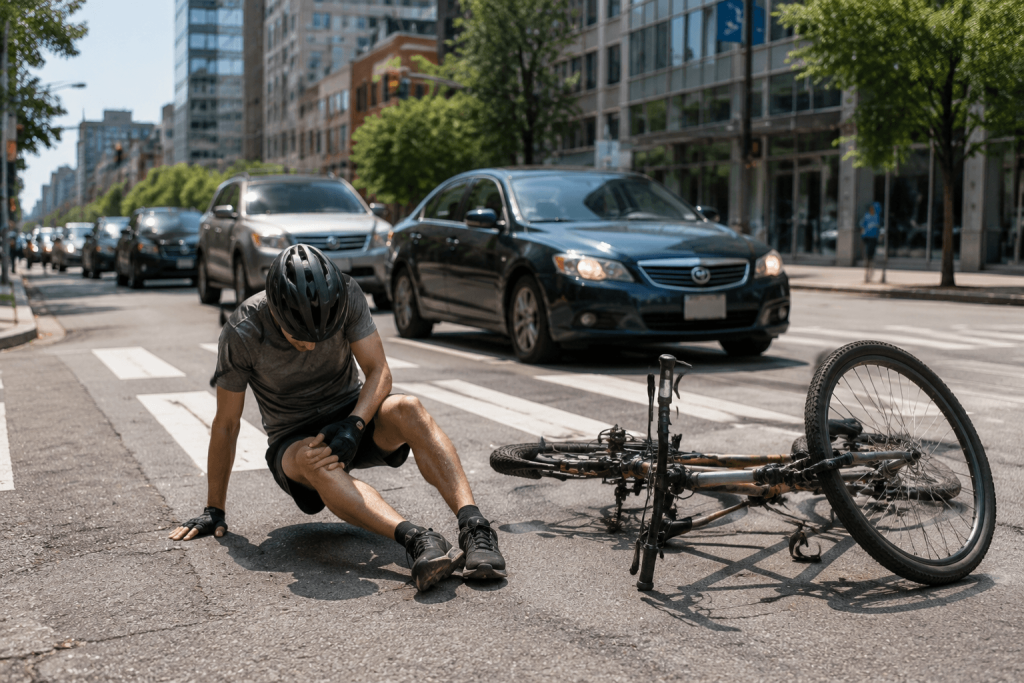
While road conditions matter, driver behavior also plays a major role in many bicycle accidents throughout Chicago.
Some of the most common causes include:
- Distracted driving
- Speeding
- Failure to yield
- Unsafe lane changes
- Dooring accidents
- Driving under the influence
Cyclists often have very little protection during a crash, which means even relatively low-speed collisions can cause serious injuries.
Safety Tips for Cyclists Riding in Chicago
Although some roads carry higher risks, there are steps cyclists can take to improve safety while navigating Chicago streets.
Helpful safety practices include:
- Wear visible clothing and reflective gear
- Use front and rear bike lights
- Avoid riding too close to parked cars
- Stay alert near intersections
- The signal turns clearly
- Follow traffic laws consistently
Planning routes carefully and avoiding high traffic periods when possible may also help reduce accident risks.
What to Do After a Bicycle Accident in Chicago
Even experienced cyclists can become involved in accidents despite taking precautions. Knowing what to do after a crash can help protect both your health and your legal rights, especially when reviewing a Chicago bicycle injury settlement guide.
After an accident, important steps include:
- Seek immediate medical attention
- Call law enforcement to report the crash
- Take photos of injuries and the accident scene
- Gather witness information
- Save medical records and bills
Documentation becomes extremely important if insurance claims or legal disputes arise later.
How Liability Is Determined in Bicycle Accident Cases
Illinois follows modified comparative negligence laws, meaning fault may be shared between multiple parties depending on the circumstances of the accident. This legal framework also ties closely to the statute of limitations for bicycle accident claims in Illinois, which determines how long you have to file a claim.
Insurance companies often investigate factors such as:
- Driver behavior
- Cyclist actions
- Traffic law violations
- Road conditions
- Available evidence
Strong documentation can help establish liability and support injury claims after a bicycle accident.
How Legal Guidance Can Help Injured Cyclists
Bicycle accident claims can quickly become complicated, especially when serious injuries or disputed fault are involved. Legal guidance may help injured cyclists better understand their rights and navigate insurance negotiations more effectively by understanding how negligence affects bicycle injury compensation.
A bicycle accident lawyer may help by:
- Investigating the accident thoroughly
- Gathering evidence and witness statements
- Communicating with insurance companies
- Evaluating compensation options
- Protecting the cyclist’s legal interests
If you were injured while riding on a dangerous Chicago roadway and have questions about your options, it may help to contact us and better understand the next steps available to you, especially when evaluating common causes of bike crashes by drivers.
Conclusion
Chicago offers many great opportunities for cyclists, but some roads continue to present serious safety risks due to traffic congestion, limited bike infrastructure, and dangerous driving behavior. Streets like Milwaukee Avenue, Western Avenue, Ashland Avenue, and busy downtown corridors often create challenging conditions that cyclists should approach carefully, along with knowing key insurance settlement tips for cyclists.
Understanding where accidents happen most often and why they occur can help riders make safer decisions while navigating the city. If you were injured in a bicycle accident and need guidance about your legal options, contact us to discuss your situation and learn more about how to protect your rights after a crash, including cases involving who is responsible for a bike accident with a parked car.
FAQs
Which road is considered most dangerous for cyclists in Chicago?
Several roads are considered high risk, including Milwaukee Avenue, Western Avenue, Ashland Avenue, and certain downtown streets with heavy traffic.
Why are intersections dangerous for cyclists?
Intersections often involve turning vehicles, limited visibility, distracted driving, and heavy traffic, all of which increase accident risks.
What is a dooring accident?
A dooring accident happens when someone opens a parked car door directly into the path of an approaching cyclist.
Can cyclists recover compensation after a Chicago bicycle accident?
Yes. Injured cyclists may be able to recover compensation depending on fault, injuries, and available evidence.
What should cyclists do immediately after an accident?
Seek medical attention, report the accident, gather evidence, and document injuries and damages carefully.
 Legally Reviewed By
Attorney Jonathan Rosenfeld
Reviewed by Attorney Jonathan Rosenfeld The material on this page has been legally reviewed by Attorney Jonathan Rosenfeld of Rosenfeld Injury Lawyers LLC. Mr. Rosenfeld and his team have experience representing injured cyclists in bicycle accident cases in Chicago. With a focus on personal injury law, they help bicycle accident victims understand their legal options and pursue compensation for medical expenses, lost wages, and other damages resulting from their injuries.
Visit Us