- Free Consultation: 312-646-3708 Tap Here To Call Us




What Is Negligence in a Bicycle Accident and How Does It Affect Your Case?


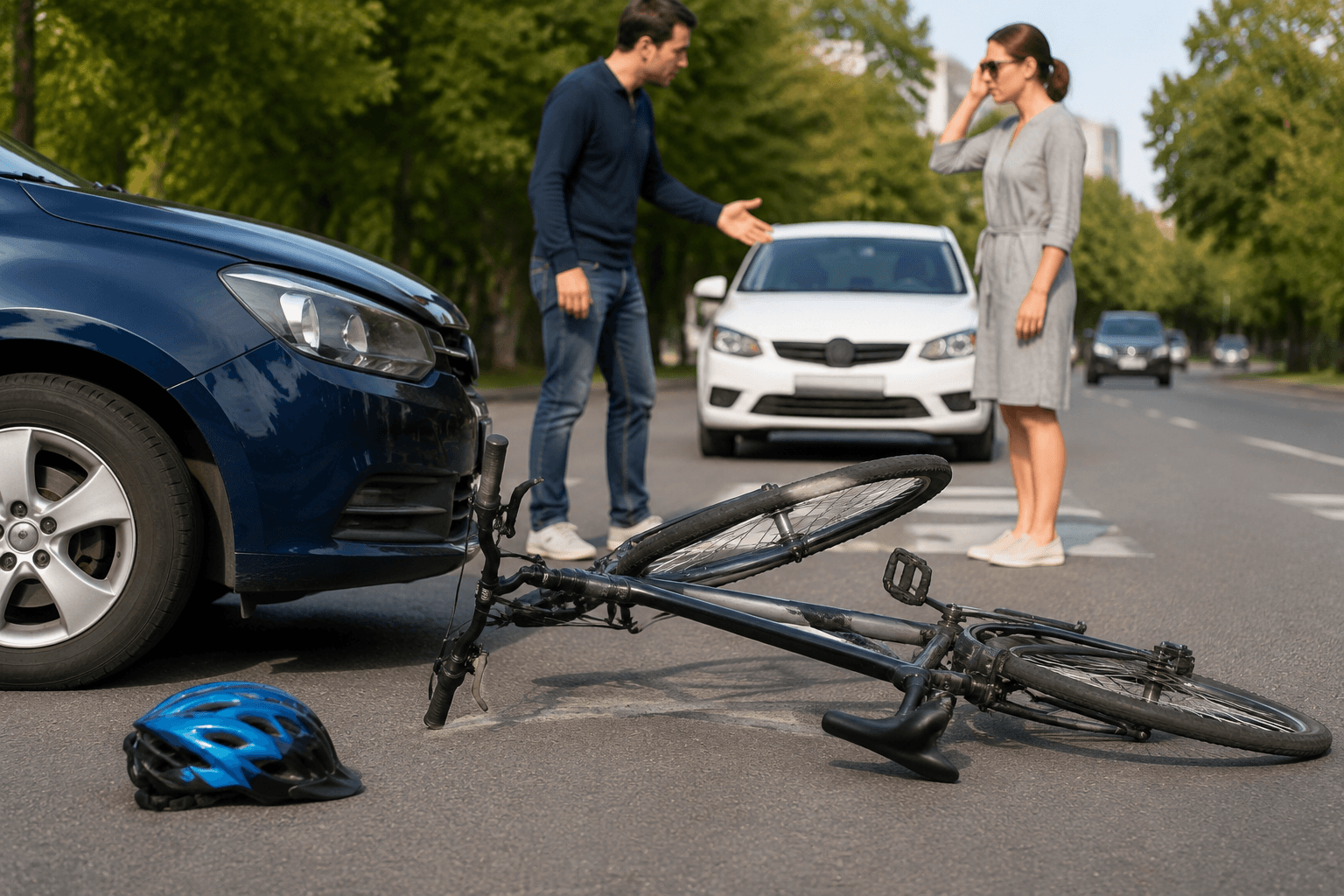
If you were injured in a bicycle accident, there is a good chance you have heard the word “negligence” mentioned during conversations about insurance claims or legal action. Many injured cyclists in Chicago are unsure what negligence actually means or why it plays such an important role in a bicycle accident case. That confusion is understandable because legal terms often sound more complicated than they really are.
The truth is that negligence is one of the most important factors in determining who is responsible for a bicycle accident and whether compensation may be available. In this guide, you will learn what negligence means in a bicycle accident case, how it is proven, and how it can directly affect your ability to recover compensation after a crash in Chicago.
What Does Negligence Mean in a Bicycle Accident Case?
Negligence happens when someone fails to act with reasonable care and causes harm to another person. In bicycle accident cases, negligence often involves drivers, cyclists, property owners, or even government entities failing to follow safety responsibilities.
For example, a driver who runs a red light and hits a cyclist may be considered negligent because they ignored traffic laws. Similarly, distracted driving, speeding, unsafe lane changes, or failing to yield to cyclists can all lead to negligence claims. In cases involving a direct violation of traffic rules, a strong claim like a failure to stop bicycle accident lawyer can become relevant when pursuing compensation.
In Chicago, proving negligence is often the foundation of a successful bicycle accident case. Without showing that another party acted carelessly, recovering compensation may become much more difficult.
Why Negligence Matters So Much in Bicycle Accident Claims
Negligence directly affects who pays for the damages caused by the accident. Medical bills, lost wages, rehabilitation expenses, and pain and suffering are often tied to whether fault can be established successfully.
Insurance companies carefully investigate negligence because it impacts settlement value. If they believe their driver was not fully responsible, they may attempt to reduce compensation or deny portions of the claim entirely.
This is why evidence becomes extremely important. The stronger the proof showing negligent behavior, the stronger your claim may become. Accurate crash investigations, documentation, and evidence collection play an important role in determining fault and liability after traffic accidents throughout Illinois. (Source: Illinois Department of Transportation Crash Reporting Resources)
Common Examples of Negligence in Chicago Bicycle Accidents
Bicycle accidents happen for many reasons, but some forms of negligence appear more frequently than others in Chicago traffic conditions.
Common examples include:
- Distracted driving
- Speeding in busy areas
- Drivers failing to yield at intersections
- Opening car doors into bike lanes
- Unsafe lane changes
- Driving under the influence
- Failure to check blind spots before turning
Cyclists themselves may also contribute to accidents in some situations. However, every case depends on the specific facts and available evidence.
How Is Negligence Proven After a Bicycle Accident?
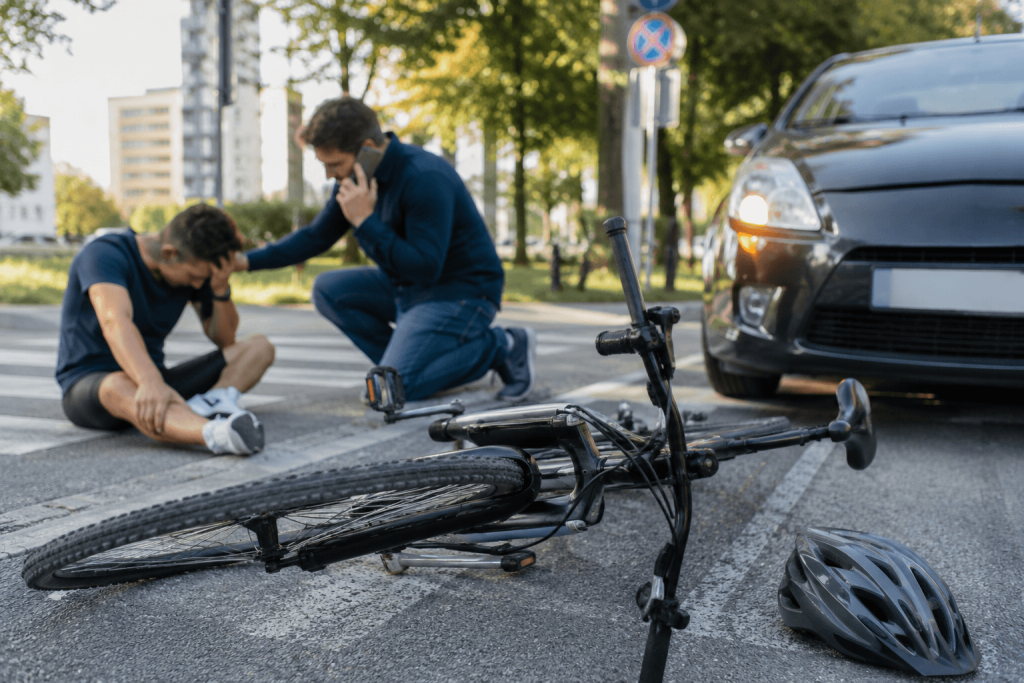
Proving negligence requires evidence that clearly shows how the accident happened and who acted carelessly. This process often involves gathering multiple forms of documentation and testimony.
Important evidence may include:
- Police reports
- Traffic camera footage
- Witness statements
- Medical records
- Photos from the accident scene
- Bicycle damage documentation
In many cases, accident reconstruction experts may also help analyze what occurred. The goal is to establish that another party failed to act responsibly and that this failure caused the injuries.
Strong evidence can significantly improve the outcome of a bicycle accident claim.
Comparative Negligence in Illinois Explained
Illinois follows a legal rule called modified comparative negligence. This means an injured cyclist may still recover compensation even if they were partially responsible for the accident. In more complex cases, working with a bicycle accident attorney in Rockford can help clarify fault and strengthen the claim process.
However, compensation may be reduced based on the cyclist’s percentage of fault. For example, if a cyclist is found 20 percent responsible, the final compensation may be reduced by 20 percent.
Insurance companies often try to shift blame toward cyclists to lower payouts. They may argue that the cyclist was not visible enough, failed to obey traffic signals, or was riding unsafely. This makes strong documentation and legal strategy extremely important in these cases.
How Negligence Can Affect Your Settlement Amount
Negligence plays a direct role in determining settlement value. The clearer the evidence proving fault, the stronger your position may become during negotiations.
If the other party’s negligence is obvious and well-documented, insurance companies may be more willing to negotiate fairly. On the other hand, disputes over fault can delay settlements and create challenges during the claims process. To better understand valuation factors, it helps to review typical outcomes like a bicycle accident settlement in Chicago.
Several factors connected to negligence may affect compensation, including:
- Severity of injuries
- Strength of evidence
- Percentage of fault assigned
- Medical treatment costs
- Long-term recovery impact
Because of this, properly documenting the accident from the beginning becomes extremely important.
Why Insurance Companies Fight Negligence Claims
Insurance companies are businesses focused on minimizing financial payouts. One of the most common strategies they use is disputing negligence or attempting to shift blame onto the injured cyclist.
Adjusters may question medical treatment, challenge witness statements, or argue that injuries were not caused by the accident. They may also use recorded statements against injured cyclists during negotiations.
This is why many injured cyclists feel overwhelmed during the claims process. Having proper support and guidance can help protect your rights and strengthen your position when dealing with insurance adjusters after a bike crash, especially when insurers attempt to minimize payouts.
How Legal Guidance Can Help Build a Strong Negligence Case
Bicycle accident cases often involve detailed investigations and complex negotiations. Legal support helps ensure the evidence is collected properly and presented effectively.
An experienced bicycle accident lawyer may help by:
- Investigating the accident scene
- Gathering evidence and witness testimony
- Reviewing police reports and medical records
- Negotiating with insurance companies
- Building a strategy focused on proving negligence
Strong legal preparation can improve the likelihood of recovering fair compensation after a bicycle accident in Chicago.
If you are unsure how negligence may affect your claim, it may help to contact us and better understand your legal options after a bicycle accident.
Why Chicago Bicycle Accident Cases Can Be More Complex
Chicago traffic conditions create unique risks for cyclists. Busy intersections, rideshare traffic, construction zones, and crowded downtown areas increase the likelihood of accidents involving multiple contributing factors.
Traffic crash data published by the Illinois Department of Transportation shows that Chicago experiences a significant number of roadway crashes each year, creating increased risks for vulnerable road users such as bicyclists. (Source: Chicago Crash Summary Report 2023)
Understanding how local traffic patterns and Illinois laws apply can make a significant difference in the outcome of a case.
Steps Cyclists Should Take After an Accident
The actions you take after a bicycle accident may directly affect your ability to prove negligence later.
Important steps include:
- Seek immediate medical attention
- Report the accident to law enforcement
- Take photos of the scene and injuries
- Gather witness information
- Save medical bills and records
- Avoid discussing fault publicly
Staying organized and protecting evidence early can help strengthen your claim significantly.
Conclusion
Negligence is one of the most important elements in any Chicago bicycle accident case. It affects who is held responsible, how insurance companies handle claims, and how much compensation may be available after an accident. Proving negligence requires strong evidence, careful documentation, and a clear understanding of Illinois law.
If you were injured in a bicycle accident and have questions about fault or compensation, taking action early can help protect your claim. Every case is different, and understanding your rights from the beginning can make a major difference during the recovery process. If you need guidance after a crash, contact us now to discuss your situation and explore your legal options.
FAQs
What is negligence in a bicycle accident case?
Negligence happens when someone fails to act responsibly and causes harm to another person, such as a driver violating traffic laws and hitting a cyclist.
Can I still recover compensation if I was partially at fault?
Yes. Illinois follows modified comparative negligence rules, meaning compensation may still be available if you were less than 51 percent responsible.
How do you prove negligence after a bicycle accident?
Negligence is often proven through evidence such as police reports, witness statements, medical records, traffic footage, and accident scene photos.
Why do insurance companies dispute negligence claims?
Insurance companies often try to reduce payouts by questioning fault, injuries, or the circumstances surrounding the accident.
Should I speak to a lawyer after a bicycle accident?
Legal guidance can help protect your rights, strengthen your evidence, and improve your ability to recover fair compensation.
 Legally Reviewed By
Attorney Jonathan Rosenfeld
Reviewed by Attorney Jonathan Rosenfeld The material on this page has been legally reviewed by Attorney Jonathan Rosenfeld of Rosenfeld Injury Lawyers LLC. Mr. Rosenfeld and his team have experience representing injured cyclists in bicycle accident cases in Chicago. With a focus on personal injury law, they help bicycle accident victims understand their legal options and pursue compensation for medical expenses, lost wages, and other damages resulting from their injuries.
Visit Us