- Free Consultation: 312-646-3708 Tap Here To Call Us




What to Say to an Insurance Adjuster in a Bicycle Accident to Protect Your Claim?



After a bicycle accident, one of the first calls you may receive is from an insurance adjuster. If you are injured, stressed, or overwhelmed, it can be difficult to know what to say or how much information to share. Many injured cyclists in Chicago worry about making the wrong statement and damaging their claim without realizing it. That concern is completely valid because insurance conversations can directly affect your compensation.
The good news is that understanding how to communicate with an insurance adjuster can help protect your rights and strengthen your claim. In this guide, you will learn what to say to an insurance adjuster after a bicycle accident, what mistakes to avoid, and how to handle these conversations carefully while focusing on your recovery.
Why Insurance Adjusters Contact You Quickly After a Bicycle Accident
Insurance adjusters often contact injured cyclists shortly after an accident because they want to gather information as early as possible. At this stage, many people are still in pain, unsure about their injuries, and unfamiliar with the claims process.
The insurance company’s goal is to evaluate the case quickly and limit financial exposure whenever possible. While adjusters may sound friendly and helpful, it is important to remember that their role is to protect the insurance company’s interests.
This does not mean you should avoid communication entirely. It simply means you should approach every conversation carefully and avoid providing unnecessary information that could later be used against you. In situations where the other party claims you were at fault, especially when a driver failed to stop after hitting a cyclist, your statements can become an important part of the overall case evaluation.
What You Should Say to an Insurance Adjuster
When speaking to an insurance adjuster after a bicycle accident, it is important to stay calm, polite, and focused on basic facts. Providing clear information without speculating or exaggerating helps protect your claim.
You can generally discuss:
- Your name and contact information
- The date and location of the accident
- The vehicles involved
- Whether medical treatment was received
- The investigation is ongoing
Keeping your responses short and factual is often the safest approach. If you do not know the answer to a question, it is okay to say you are unsure. This becomes especially important when discussing sensitive injuries such as eye injuries from bicycle accidents, where early statements may later be reviewed during claim assessments.
What You Should Avoid Saying After a Bicycle Accident
Many bicycle accident claims become complicated because injured cyclists unknowingly say things that insurance companies later use to reduce compensation.
Avoid statements such as:
- “I am fine.”
- “It was partly my fault.”
- “I did not see the car.”
- “My injuries are minor.”
- Speculating about what caused the accident
Even casual comments can be interpreted in ways that weaken your case. Injuries sometimes worsen over time, and early assumptions may not reflect your actual condition later.
It is also important to avoid agreeing to recorded statements immediately without understanding the potential consequences.
Why Recorded Statements Can Be Risky
Insurance adjusters sometimes ask injured cyclists to provide recorded statements shortly after an accident. While this may seem routine, recorded statements can create problems if your injuries or recollection of events change later.
For example, someone may initially believe they are only experiencing soreness, only to later discover a more serious injury. Insurance companies may compare later medical records to early recorded statements and attempt to argue that injuries were exaggerated, particularly in severe cases handled by a fatal bicycle accident lawyer.
Because of this, many injured cyclists choose to approach recorded statements carefully and seek guidance before agreeing to detailed interviews.
How Fault Affects Conversations With Insurance Companies
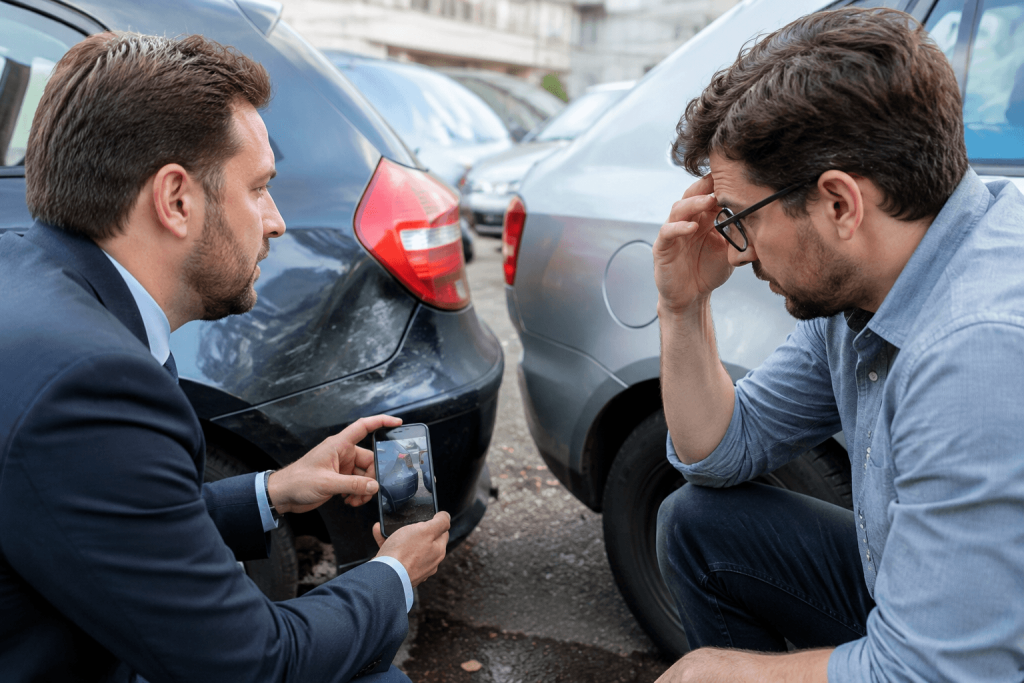
Illinois follows modified comparative negligence rules, which means compensation may be reduced if a cyclist is found partially responsible for the accident.
Insurance companies often look for statements they can use to shift blame onto the injured cyclist. Even simple comments like “I could have reacted faster” may later be used to argue partial fault.
This is why it is important to avoid discussing blame or making assumptions about the accident during early conversations with adjusters. Stick to basic facts and allow the investigation to determine liability. Understanding potential outcomes such as hit by car bicycle accident compensation can help set realistic expectations during this process.
Important Information You Should Document
Strong documentation can help protect your bicycle accident claim and reduce disputes during negotiations.
Helpful records include:
- Medical bills and treatment records
- Photos of injuries and bicycle damage
- Police reports
- Witness contact information
- Missed work documentation
- Notes about pain and recovery progress
The more organized your records are, the easier it may become to support your claim during negotiations. Crash reports and supporting documentation are important tools used during accident investigations and can help establish the facts surrounding a collision and resulting injuries. (Source: Illinois Department of Transportation Crash Reporting Resources)
Why Insurance Companies Often Offer Quick Settlements
After a bicycle accident, some insurance companies may offer settlements relatively quickly. While fast compensation can feel tempting, early offers are not always in your best interest.
Insurance adjusters may attempt to settle before the full extent of your injuries becomes clear. Once a settlement is accepted, additional compensation for future medical treatment or long-term recovery may no longer be available.
Before agreeing to any settlement, it is important to understand the long-term financial impact of the accident. Medical expenses, therapy, lost income, and pain and suffering should all be evaluated carefully. Establishing proving fault in a bike accident case is often a key step in ensuring fair compensation is pursued.
How Legal Guidance Can Help Protect Your Claim
Handling insurance communication while recovering from injuries can feel stressful and confusing. Legal support helps ensure your rights are protected throughout the process.
A bicycle accident lawyer may help by:
- Handling communication with insurance adjusters
- Reviewing settlement offers
- Gathering evidence to support your claim
- Protecting you from statements that may weaken the case
- Negotiating for fair compensation
Having guidance during insurance negotiations can help reduce stress and improve your ability to focus on recovery.
If you are unsure how to handle conversations with an insurance adjuster after a bicycle accident, it may help to contact us and better understand your legal options.
Why Chicago Bicycle Accident Claims Can Be Complex
Chicago presents unique risks for cyclists due to heavy traffic, crowded intersections, rideshare vehicles, and changing road conditions. Bicycle accidents in the city often involve complicated liability questions and multiple forms of evidence.
Insurance companies carefully investigate these cases because fault can directly impact settlement value. Determining negligence may require traffic footage, witness statements, and accident scene analysis, especially in disputes involving liability in parked car bicycle accidents.
Understanding how Illinois laws apply to Chicago bicycle accidents can make a major difference in how claims are handled and negotiated.
Tips for Protecting Yourself During Insurance Conversations
The way you handle insurance communication after a bicycle accident can influence the outcome of your claim significantly.
Here are several important tips to remember:
- Stay calm and polite during conversations
- Stick to basic facts only
- Avoid discussing fault or speculation
- Do not minimize your injuries
- Keep records of all communication
- Review settlement offers carefully
Protecting your claim starts with being careful about what you say from the beginning.
Conclusion
Knowing what to say to an insurance adjuster after a bicycle accident can make a major difference in protecting your claim. Insurance companies often begin investigating immediately, and even small statements can affect how compensation is evaluated later.
The safest approach is to stay factual, avoid speculation, and understand your rights before making important decisions. Taking the right steps early can help protect your financial recovery and reduce unnecessary stress during the claims process. If you were injured in a Chicago bicycle accident and need help understanding your options, contact us to discuss your situation and learn how to move forward with confidence.
FAQs
What should I say to an insurance adjuster after a bicycle accident?
Stick to basic facts such as the accident location, date, and whether medical treatment was received. Avoid discussing fault or detailed injuries early on.
Should I give a recorded statement to the insurance company?
Recorded statements can sometimes create risks if injuries change over time. It is important to approach these requests carefully.
Can insurance adjusters use my statements against me?
Yes. Insurance companies may use statements to question injuries, shift blame, or reduce compensation.
What should I avoid saying after a bicycle accident?
Avoid admitting fault, minimizing injuries, speculating about the accident, or discussing details you are unsure about.
Why do insurance companies offer quick settlements?
Insurance companies may try to settle early before the full extent of injuries and long-term costs becomes clear.
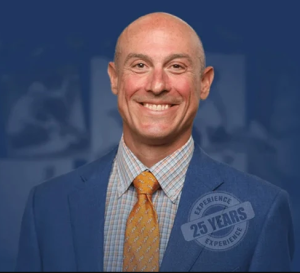 Legally Reviewed By
Attorney Jonathan Rosenfeld
Reviewed by Attorney Jonathan Rosenfeld The material on this page has been legally reviewed by Attorney Jonathan Rosenfeld of Rosenfeld Injury Lawyers LLC. Mr. Rosenfeld and his team have experience representing injured cyclists in bicycle accident cases in Chicago. With a focus on personal injury law, they help bicycle accident victims understand their legal options and pursue compensation for medical expenses, lost wages, and other damages resulting from their injuries.
Visit Us