
Chicago Bicycle
Accident Lawyer
Accident Lawyer
Injured in a Bicycle Accident? We Can Help.



In Illinois, you can still recover compensation after a bicycle accident even if you were partly at fault, as long as you were not more than 50% responsible. Your award is reduced by your share of the blame. If you’re found more than 50% at fault, you recover nothing. This rule is called modified comparative negligence, and it decides how much an injured cyclist actually takes home.
When both the cyclist and the driver share some fault, Illinois law divides responsibility and adjusts damages accordingly. This matters because insurance companies routinely try to shift blame onto the rider, claiming you ran a light, weren’t visible, or broke a traffic law, to shrink what they pay. Understanding how comparative negligence works is essential to protecting your claim for medical expenses, lost wages, and pain and suffering
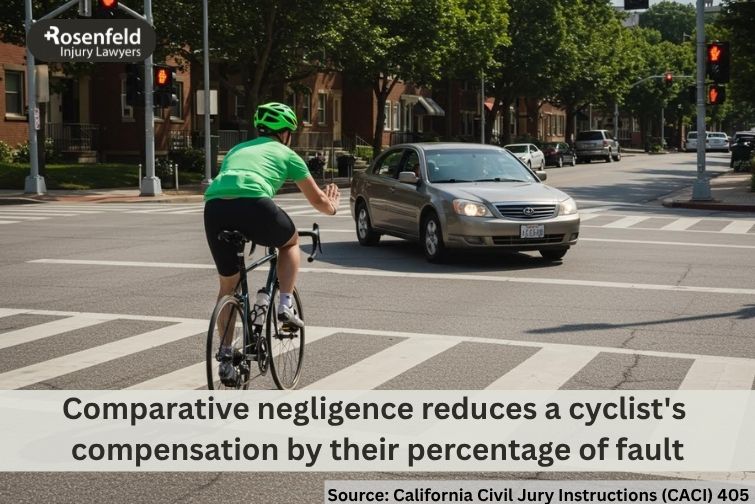
Under 735 ILCS 5/2-1116, Illinois follows a modified comparative negligence system. This law allows injured individuals, such as cyclists, to recover damages in a civil lawsuit even if they are partially at fault for the accident. However, the injured party’s compensation is reduced by their percentage of fault, and they cannot recover anything if they are found more than 50% at fault.
For example, if a cyclist is awarded $100,000 but found 25% responsible for the crash because they failed to obey traffic signals, their recovery would be reduced to $75,000. If the cyclist were found over 50% at fault, they would not be eligible to recover damages.
This rule plays a significant role in bicycle accident cases because it ensures a fair allocation of responsibility between the parties involved. Both the cyclist and the motorist must exercise reasonable care and follow traffic laws. If either party fails to do so, the court weighs their conduct to determine the proper degree of fault and potential compensation.
Although the terms are often used interchangeably, there’s a key legal distinction between comparative and contributory fault.
Illinois follows the fairer modified comparative fault approach. This change recognizes that accidents are rarely black and white. Often, multiple factors or behaviors contribute to the collision.
Across the United States, states differ in how they handle negligence and fault in personal injury cases:
Illinois’ modified comparative fault system balances fairness and accountability. It prevents a slightly negligent cyclist from being left with nothing, while still discouraging reckless behavior on the road.
In bicycle accident cases, comparative negligence plays a major role in determining liability and how much compensation an injured cyclist can recover. When both the driver and the cyclist share responsibility, Illinois courts and insurance companies analyze the share of liability assigned to each party based on modified comparative negligence.
The process involves reviewing all relevant evidence—witness statements, medical reports, physical evidence, and camera footage—to determine how much each party contributed to the collision. For example, if a driver failed to yield while turning left, but the cyclist was also speeding or failed to obey traffic signals, each side may bear partial blame.
Under Illinois law (735 ILCS 5/2-1116), the cyclist’s percentage of fault directly impacts the amount of compensation they can recover. If comparative negligence applies and the cyclist is less than 50% at fault, they can still recover compensation, but their award will be reduced by their assigned share of fault. If they are found more than 50% at fault, they cannot recover at all.
When multiple parties are involved, 735 ILCS 5/2-1117 comes into play. This statute governs joint and several liability, which determines how damages are divided among defendants.
This means that if more than one party contributed to the cyclist’s injuries, each may be required to pay their fair portion of the damages, ensuring that the injured cyclist is not left uncompensated because one party lacks sufficient insurance or assets.
Comparative negligence and joint and several liability work together to create a balanced approach to determining fault for the incident. They encourage all parties to follow traffic laws and help ensure that those who suffer serious injuries in bicycle accidents can still seek fair compensation, even when multiple factors led to the crash.
Bicycle accident cases involving comparative negligence can be complex. An experienced Chicago bicycle accident lawyer understands how presenting compelling evidence plays a strong role in challenging unfair insurance claims and how it can significantly impact the amount of compensation awarded, even when the cyclist is partially responsible.
Our law firm provides:
By building a compelling case, our attorneys help injured cyclists recover compensation for serious injuries and protect their rights throughout the legal process.
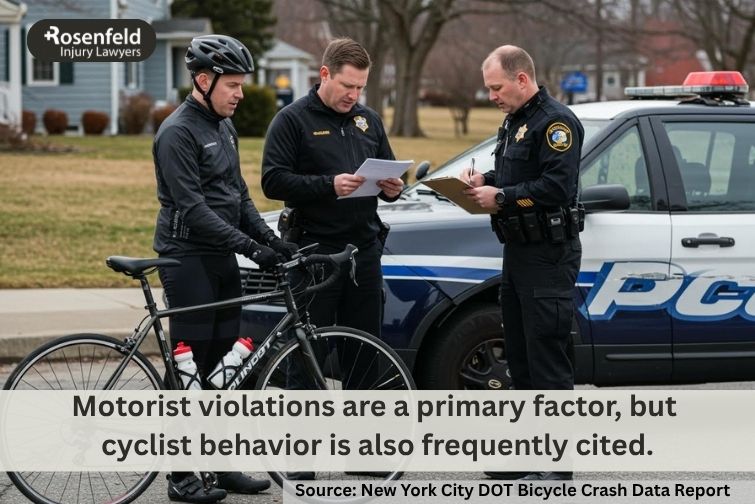
Proving fault in a bicycle accident requires gathering evidence that clearly shows how the crash occurred and who violated Illinois traffic laws under the Illinois Vehicle Code (625 ILCS 5/). A thorough investigation helps establish each party’s potential liability and degree of fault, which is crucial in comparative negligence cases.
Statements from people who saw the accident can clarify the events leading up to the crash, including whether either party failed to obey traffic laws.
Official police reports document key facts such as citations, roadway conditions, and witness information. These reports often serve as a foundation for establishing liability and negotiating with insurance companies.
Images or video from traffic cameras, bike lanes, or nearby businesses can reveal distracted behavior, a car door opening into a cyclist’s path, or a driver running a red light or stop sign.
Detailed medical records link the cyclist’s injuries to the crash and help determine the extent of damage, which is a major factor in calculating how much compensation may be available.
Skid marks, damaged bicycles, and debris from the accident scene provide compelling evidence of speed, impact angle, and fault. This physical evidence supports the cyclist’s case when comparative negligence applies.
At Chicago Bike Injury Lawyers, we understand the legal complexities of bicycle accident cases and how comparative negligence applies under Illinois law. Our team offers personalized legal representation to help clients secure compensation for their injuries and losses in such cases.
We work on a contingency fee basis, meaning you pay no upfront costs and no attorney fees unless we recover money for you. Every client receives a free consultation to discuss their case and learn how Illinois’ comparative fault laws may affect potential compensation.
If you or a loved one was injured in a bicycle accident, contact our firm today for a free, confidential consultation. We’re here to help you understand your rights, protect your claim, and pursue the compensation you deserve.
Yes. Illinois uses modified comparative negligence, so you can recover as long as you were not more than 50% at fault. Your award is reduced by your share of the blame. At 51% or more, you cannot recover anything.
At exactly 50% at fault, you can still recover in Illinois, but your award is cut in half. The bar only applies once your fault passes 50%. So a $100,000 claim at 50% fault becomes $50,000; at 51%, it becomes zero.
Insurers, and if needed a jury, assign each party a percentage based on the evidence: police reports, witness statements, traffic camera footage, medical records, and physical evidence like skid marks. Because that percentage directly reduces your payout, how it’s argued matters enormously to your recovery.
Illinois has no adult helmet law, so not wearing one is not automatically negligence. Insurers may still argue it worsened your injuries to reduce what they pay. Whether that argument holds depends on your specific injuries and the facts of the crash.
An insurer can claim it, but they don’t have the final say. Their fault assessment is a negotiating position designed to lower your payout. Evidence, and a lawyer who knows how to present it, can push that percentage back down, which directly increases your recovery.
Illinois is a modified comparative negligence state (50% rule). You can recover as long as you were not more than 50% at fault. This is far more forgiving than contributory negligence states, where being even 1% at fault bars any recovery.
 Legally Reviewed By
Attorney Jonathan Rosenfeld
Reviewed by Attorney Jonathan Rosenfeld The material on this page has been legally reviewed by Attorney Jonathan Rosenfeld of Rosenfeld Injury Lawyers LLC. Mr. Rosenfeld and his team have experience representing injured cyclists in bicycle accident cases in Chicago. With a focus on personal injury law, they help bicycle accident victims understand their legal options and pursue compensation for medical expenses, lost wages, and other damages resulting from their injuries.