
Chicago Bicycle
Accident Lawyer
Accident Lawyer
Injured in a Bicycle Accident? We Can Help.



Yes, all Pace buses are equipped with front-mounted bike racks as a standard feature. Pace allows riders to bring bicycles on buses at any time of day, with each rack holding up to two bikes on a first-come, first-served basis.
Pace’s bike rack policy allows most standard bicycles, e-bikes, and folding bikes as long as they fit securely on the rack. Riders are responsible for loading and unloading their own bikes, and there is no additional fare for bringing a bicycle.
Whether you use your bike to commute, connect to a Pace route, or travel throughout the Chicago suburbs, understanding the Pace bus bike rack policy can help you prepare for a smoother trip. This guide explains Pace bicycle rules, how to use the front-mounted rack, safety considerations, and what to do if you are injured while traveling with a bike.
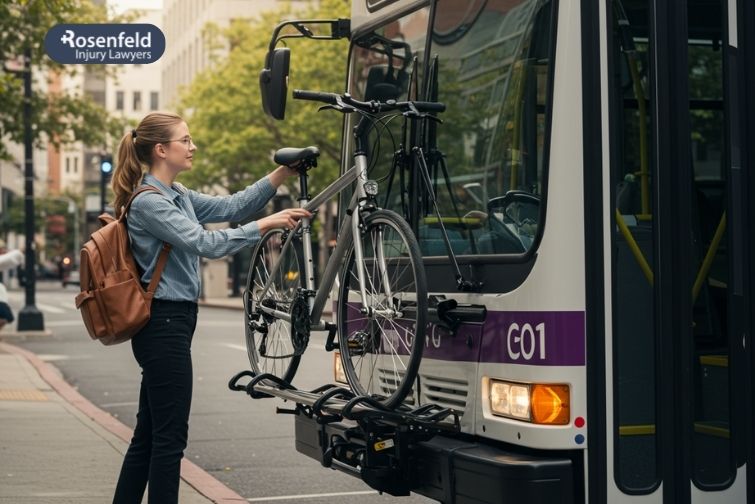
Yes, you can bring a bike on Pace buses. Every Pace bus in the suburban Chicago system is equipped with a front-mounted bike rack, allowing riders to combine biking with public transportation. Bikes are accepted at all times of day, subject to available rack space and Pace’s current bicycle policy.
Pace Bus Bike Rack Policy at a Glance:
Pace buses allow most standard two-wheeled bicycles. Many e-bikes and folding bikes are also permitted if they fit properly on the front-mounted rack and meet Pace’s size and weight requirements. However, bikes with large attachments, fat tires, or unusual frame shapes may not be compatible with the rack. Each bike rack is designed to hold two bikes at a time, and loading is done on a first-come, first-served basis.
However, bikes with large attachments, fat tires, or unusual frame shapes may not be compatible with the rack. Each bike rack is designed to hold two bikes at a time, and loading is done on a first-come, first-served basis.
There are no time restrictions for bringing a bike on Pace buses. Unlike some transit systems that limit bicycle access during rush hours, Pace allows bikes on buses throughout the day, including morning and evening commute periods.
However, space is not guaranteed. Each bus rack holds only two bicycles, so riders should plan accordingly and understand that availability is first-come, first-served.
Children under 14 must be accompanied by an adult when using the bike rack. Riders are responsible for loading and unloading their bikes themselves. Bus drivers may not assist with the rack for safety reasons, so riders must be physically able to lift and secure their bikes.
Pace’s bike policy is designed to support a growing number of riders who want to extend their trip beyond what buses alone can offer. Using your bike with Pace public transportation is a convenient option, especially in areas with fewer bike lanes or longer distances between destinations.

Bringing a bike on Pace buses is simple when you understand the process. All Pace buses include a front-mounted bike rack, and riders are responsible for loading and unloading their bicycles without assistance from the driver. Here’s how to do it correctly.
As the bus approaches, remove any bags or loose items from your bike. Make eye contact with the driver to signal that you’ll be using the rack. Bikes are loaded on a first-come, first-served basis, and each bus accommodates only two bicycles.
Approach the rack from the curb after the bus has come to a complete stop.
Pull the handle to release the rack into the down position.
Lift your bike and place the front wheel into the labeled slot. Make sure the wheel fork is aligned correctly.
Pull the spring-loaded support arm up and over the front tire, securing it firmly in the upright position.
Once the bike is secure, board the bus through the front door. Sit near the front so you can keep an eye on your bike during the ride, and avoid blocking aisles with backpacks or gear.
Let the driver know you’ll be unloading your bike. Exit from the front, release the support arm, and lift your bike off the rack. If no other bikes are on the rack, return it to the up position before leaving.
Pace provides helpful signage near the bike racks, so follow posted instructions and ride with awareness. Planning ahead makes every trip safer and more convenient for the entire community.
Using bikes on Pace buses offers flexibility for commuters and recreational riders alike, but it’s essential to be aware of safety risks that can arise during boarding, loading, and riding. Even with proper planning, accidents can happen, especially if equipment isn’t maintained or if conditions at stops or stations are unsafe. When injuries occur, riders may have legal options depending on the cause.
Bus stops and boarding areas can be risky when wet, icy, or poorly maintained. Riders lifting a bike or waiting on uneven pavement may lose balance, especially while trying to secure their spot during peak demand. If a fall happens due to an unmarked hazard or neglected surface, liability could fall on the transit agency or property owner.
Even after a bike is safely secured to the rack, a sudden stop by the driver can cause a problem if the support arm wasn’t correctly fastened or the bike wasn’t loaded securely. Riders still holding or unloading their bike when a bus jerks forward may be injured in the process.
During busy times or special events, more riders may be waiting to board with their bikes. Conflicts can happen when there’s limited space and only two bicycles are allowed per rack. Inexperienced riders rushing to load or fighting for a spot may inadvertently cause an injury to themselves or someone else.
Though all Pace buses are equipped with bike racks, some may become worn or damaged over time. A malfunctioning support arm, broken latch, or failure to stay in the down position can cause a bike to fall, putting riders and bystanders at risk.
A lawyer can evaluate your case if you’ve been injured due to poorly maintained equipment or unsafe conditions. Public transportation systems must provide safe, functional equipment, and when they fail to do so, injured riders may be entitled to compensation.
If you’re injured while bringing a bike on public transit, the transit agency may be responsible, depending on how the injury occurred and whether they failed to provide a safe environment or working equipment. In Chicago, systems like CTA, Metra, and Pace have a legal duty to keep buses, trains, and bike-related equipment in safe, functional condition. Injured riders may be entitled to file a claim when that duty is not met.
All Pace buses and many CTA buses are equipped with front-mounted bike racks. If the support arm doesn’t hold your bike in the upright position, or if a broken latch causes your bike to fall, this may be more than just a minor inconvenience—it can cause injury to you or others. In such cases, the transit agency may be liable for failing to maintain its equipment.
If a driver pulls away before you’ve finished loading or unloading your bike, and you fall or your bike is damaged, that’s a preventable error. Drivers are expected to allow time for riders to secure their bikes before moving the bus. Failing to do so may be considered negligent operation.
Slippery pavement, uneven boarding areas, or poorly marked hazards at a bus stop or transit facility can cause cyclists to fall while lifting, loading, or walking their bikes. If these dangerous conditions were known or should have been addressed, the transit agency or property owner may be held responsible.
Because Pace is a public agency, injury claims involving the transit system are subject to specific legal requirements. Claims against public entities generally must be filed within one year under the Illinois Tort Immunity Act (745 ILCS 10/8-101), which is shorter than the standard two-year personal injury deadline. Riders injured while loading, unloading, or transporting a bike on Pace should seek legal guidance promptly to understand their options and protect their rights.
Yes. Every Pace bus in the suburban Chicago system is equipped with a front-mounted bike rack as standard equipment. Each rack can hold up to two bicycles at a time, and bike space is available on a first-come, first-served basis. Pace does not limit bike access by route or time of day, making it easier for commuters to combine cycling with bus transportation.
Pace allows most standard bicycles, e-bikes, and folding bikes on buses at any time of day. Riders must load and secure their own bikes using the rack’s spring-loaded support arm, while drivers do not provide loading assistance. Each rack holds two bikes, and there is no additional fare. Space is available on a first-come, first-served basis.
Yes. E-bikes are generally allowed on Pace buses as long as they fit securely on the front-mounted bike rack and meet Pace’s size and weight requirements. Bikes with oversized frames, fat tires, or large attachments may not fit properly. Riders should check Pace’s current bicycle policy before traveling if they are unsure whether their e-bike is compatible.
No. Pace allows bikes on buses at all times, including during morning and evening commute hours. Unlike some transit systems that restrict bicycles during peak periods, Pace’s bike rack policy is designed to accommodate riders throughout the day. However, space is limited because each rack holds only two bicycles.
If you are injured because of a defective bike rack, unsafe bus stop conditions, or a driver’s negligence, Pace may be responsible depending on the circumstances. Because Pace is a public agency, claims generally must be filed within one year under Illinois law. Speaking with a personal injury attorney soon after an injury can help protect your legal options.
Most bike trips on Pace buses are completed safely, but injuries can occur when equipment fails, unsafe conditions exist, or negligence contributes to an accident.
If you are injured while loading or unloading your bike, because of a defective rack, unsafe bus stop conditions, or the actions of a Pace employee, a personal injury attorney can help you understand whether you may have a claim.
Because claims involving public agencies can involve shorter deadlines and specific procedures, getting legal guidance soon after an injury can help protect your options.
 Legally Reviewed By
Attorney Jonathan Rosenfeld
Reviewed by Attorney Jonathan Rosenfeld The material on this page has been legally reviewed by Attorney Jonathan Rosenfeld of Rosenfeld Injury Lawyers LLC. Mr. Rosenfeld and his team have experience representing injured cyclists in bicycle accident cases in Chicago. With a focus on personal injury law, they help bicycle accident victims understand their legal options and pursue compensation for medical expenses, lost wages, and other damages resulting from their injuries.