Chicago Bicycle
Accident Lawyer
Accident Lawyer
Injured in a Bicycle Accident? We Can Help.



Yes, car insurance often covers bicycle accidents in Illinois, but which policy pays depends on who was at fault. If a driver hit you, their liability insurance is usually the first source of compensation. If that driver was uninsured, underinsured, or fled the scene, your own auto policy’s uninsured/underinsured motorist coverage can step in, even though you were on a bike, not in a car.
Dealing with an insurance company after a bike crash is rarely straightforward, though. At Chicago Bike Injury Lawyers, we help injured cyclists understand their coverage, interpret confusing policy terms, and pursue full compensation. If you’re unsure what your car insurance covers after a bicycle accident, this page walks through every source of coverage that may apply to your case.

If you’re injured in a bicycle accident, your car insurance policy may provide more coverage than you think, especially in cases involving a motor vehicle. There are two primary sources of protection: the at-fault driver’s insurance and your own car insurance policy.
When the driver is at fault, their liability insurance typically covers your medical treatment expenses, lost income, and pain and suffering, up to the limits of their policy. This includes coverage for emergency care, ongoing treatment, and even emotional distress related to the accident.
However, if the driver is uninsured or underinsured, you may need to turn to your own coverage.
Your auto policy may include uninsured motorist (UM) and underinsured motorist (UIM) coverage, which can step in when the at-fault party doesn’t have enough insurance. These types of coverage can help pay for medical bills, wage loss, and other damages, even though you weren’t driving a car at that time.
Understanding how to apply this coverage can be difficult, especially during recovery. A bicycle accident lawyer in Chicago can help review the terms of your insurance policy, gather evidence like the police report, and ensure all claims are filed correctly to secure the compensation you’re owed.
When a motor vehicle driver is responsible for causing a bike accident, their car insurance liability coverage is often the first source of compensation for the injured bicyclist.
In Illinois, drivers are required to carry minimum liability coverage under 625 ILCS 5/7-203, which includes $25,000 for bodily injury per person and $50,000 per accident. This coverage applies to injuries caused to cyclists in a motor vehicle crash.
This coverage can apply to a wide range of losses, such as medical treatment bills, emergency care, lost wages, pain and suffering, and even property damage to your bicycle. If the driver admits fault or is found liable after a police report is filed, their insurance will typically be responsible for covering your damages, up to the policy limits.
However, this process isn’t always automatic. Insurance adjusters may dispute fault, question the severity of your injuries, or offer less than what your claim is truly worth. In some cases, the driver may have only the minimum required coverage, which may not come close to covering your actual medical expenses and other losses.
That’s why it’s essential to act quickly. A skilled bicycle accident lawyer can help you file a claim against the at-fault party’s insurance, handle all communications with the insurer, and push for a fair settlement that reflects the accident’s full impact on your life.
If needed, they can also explore additional avenues of insurance coverage, including your own car insurance or health insurance, to close any financial gaps.
Uninsured/Underinsured Motorist (UM/UIM) coverage plays a critical role in protecting Illinois cyclists after a bicycle accident, especially when the at-fault driver has no car insurance, not enough coverage, or leaves the scene in a hit-and-run.
Illinois also mandates that all auto insurance policies include uninsured motorist coverage with the same minimum bodily injury limits per 215 ILCS 5/143a. This can provide essential protection when a driver has no insurance or in hit-and-run crashes.
UM/UIM coverage is typically part of your own car insurance policy, even if you weren’t driving a car at the time. If an uninsured driver hits you while you’re biking, you can file a UM claim through your own insurer. If the driver’s liability limits are too low to cover your full losses, your underinsured motorist coverage can make up the difference.
These benefits are especially vital in hit-and-run crashes, where the driver may never be identified. In those cases, your insurer effectively stands in for the at-fault driver’s insurer.
Unfortunately, insurers often resist paying full value on UM/UIM claims even when you’re entitled to it. A knowledgeable bicycle accident lawyer can prove the accident happened, handle communication with your insurer, and push back on denials or delays. For many injured cyclists, UM/UIM coverage is the difference between recovering financially and facing overwhelming bills alone.
For many injured bicyclists, UM/UIM coverage is the difference between recovering financially and facing overwhelming medical bills and emotional distress with no support.
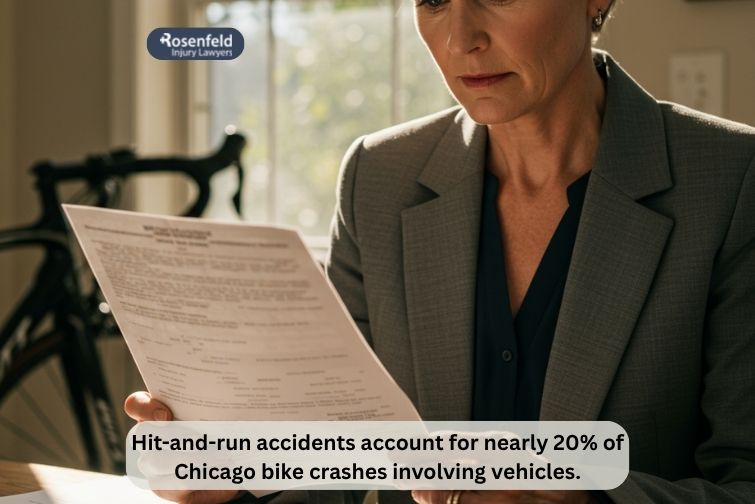
After a bicycle accident, your health insurance is often the first payment source for your medical care, including emergency treatment, hospital stays, surgeries, and follow-up visits. Regardless of who was at fault, your health insurer will typically step in to cover treatment costs, subject to deductibles, co-pays, and policy limits.
However, when another party, such as a motor vehicle driver, is found to be at fault, your health insurer may later seek reimbursement from the at-fault party’s car insurance through a process known as subrogation. This means that if you receive a settlement or insurance payout, your health insurance might claim part of those funds to repay what they spent on your care.
Coordinating health insurance benefits with any auto insurance claims, such as those involving liability insurance or uninsured motorist coverage, is essential. In some cases, a bicycle accident lawyer can negotiate with the health insurer to reduce the amount you must repay, ensuring that more of your settlement goes directly to you.
Using your health insurance for treatment ensures you get the care you need immediately. Still, it’s crucial to understand how it interacts with other forms of insurance coverage as your claim progresses.
While auto insurance and health insurance can both provide coverage after a bicycle accident, there are often limitations and exclusions that affect how much they will pay. Understanding these terms is key to knowing what to expect during the claims process.
In an automobile insurance policy, the most common limitation is the policy limit—the maximum amount your insurance will pay. You could be left with unpaid costs if your medical treatment expenses, lost wages, or other damages exceed that amount. Some policies exclude certain incidents, such as accidents involving non-listed drivers or intentional acts.
With health insurance, you may face high deductibles, co-pays, or limits on the types of treatment covered. Certain services, like physical therapy or long-term care, may require pre-authorization or have caps on the number of allowed visits.
Additionally, your health insurer may not cover injuries if it believes another party is liable, prompting it to delay payment until the outcome of your auto insurance or liability claim.
Even if you have multiple policies, there may be coordination of benefits rules that determine which insurer pays first. A bicycle accident lawyer can help interpret your insurance policy, avoid surprise exclusions, and ensure you pursue all available sources of compensation.
Hit-and-run bicycle accidents create some of the most stressful and complicated insurance situations for injured cyclists in Illinois.
When the at-fault driver flees the scene and cannot be identified, it becomes impossible to file a claim against their liability insurance because you don’t know who they are. This leaves many injured bicyclists unsure of how to recover medical treatment expenses, lost income, or compensation for pain and suffering.
In these cases, your uninsured motorist coverage becomes essential. Even though you weren’t in a car at the time of the crash, your automobile insurance policy can still apply. UM coverage is designed specifically for situations where the at-fault party either lacks car insurance or can’t be identified, which happens in most hit-and-run accidents.
To use your uninsured motorist coverage, you’ll typically need a police report confirming the accident happened, along with medical documentation and proof of damages. Still, insurers often require extra verification in these situations and may dispute your right to collect.
A bicycle accident lawyer can help you file a UM claim, gather necessary evidence, and deal directly with the insurer. Many cyclists end up underpaid or denied altogether without legal guidance after a hit-and-run.
Dealing with the aftermath of a bicycle accident often means facing off against one or more insurance companies that are focused on limiting what they pay. That’s why hiring a bicycle accident lawyer is one of the most important steps to protect your financial recovery.
A lawyer experienced in handling bicycle accident claims knows how to carefully review your insurance policies—whether it’s auto insurance, health insurance, or even renters insurance—to identify every source of potential coverage. They can explain what’s included under your policy limits, flag exclusions, and determine how policies interact if multiple types of insurance apply.
More importantly, your attorney takes over communication with the insurance adjusters, pushing back when they undervalue your claim, delay processing, or try to deny it entirely. Whether dealing with a UM claim, liability insurance, or questions about medical bills and lost income, your lawyer aims to secure the maximum compensation possible.
With an advocate handling the claims process, you can focus on your recovery, not fighting with insurers. At Chicago Bike Injury Lawyers, we offer a free consultation and work on a contingency fee basis, so you don’t pay unless we win your case.
If you’ve been injured in a bicycle accident in Illinois, understanding your car insurance and other bike insurance coverage options is essential, but often confusing. Whether you’re facing high medical bills, unsure how to handle a UM claim, or dealing with an uncooperative adjuster, you don’t have to go through it alone.
At Chicago Bike Injury Lawyers, we help injured cyclists understand how their auto, health, and other policies apply. We’ll walk you through the claims process, explain your rights, and fight to secure the maximum compensation your policy limits allow. Call (312) 646-3708 or fill out our contact form to schedule your free consultation. We work on contingency, so there’s no cost to speak with a lawyer, and no fee unless we win.
Often yes. If a driver hits you, their liability insurance typically covers your injuries. And your own auto policy’s uninsured/underinsured motorist coverage usually protects you while cycling, even though no car of yours was involved. Many cyclists don’t realize their car insurance follows them onto a bike.
Frequently, yes, through the uninsured and underinsured motorist coverage on your auto policy. It applies when the driver who hit you had no insurance, too little insurance, or fled the scene. Illinois requires UM coverage on every auto policy, so most cyclists have it.
You can usually file a claim through your own uninsured motorist coverage, which Illinois requires on all auto policies. Your insurer effectively steps into the role of the at-fault driver’s insurer. You’ll typically need a police report and medical records to support the claim.
Yes. Your health insurance generally pays for your medical care regardless of who caused the crash, subject to your deductible and co-pays. If you later win a settlement, your health insurer may seek repayment through subrogation, which a lawyer can often negotiate down.
In Illinois, insurers generally cannot raise your rates for a claim where you were not at fault, and a cyclist hit by a driver is not at fault. If you’re worried about how a claim affects your policy, a lawyer can explain your specific situation before you file.
Not always, but it helps. Insurers routinely undervalue UM/UIM and liability claims, dispute fault, and delay payment. A lawyer identifies every policy that applies, handles the adjusters, and pushes for full value, usually recovering far more than the insurer’s first offer, even after fees.
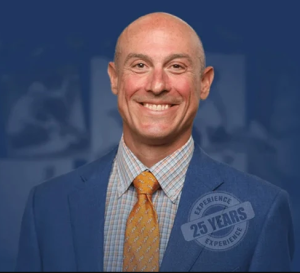 Legally Reviewed By
Attorney Jonathan Rosenfeld
Reviewed by Attorney Jonathan Rosenfeld The material on this page has been legally reviewed by Attorney Jonathan Rosenfeld of Rosenfeld Injury Lawyers LLC. Mr. Rosenfeld and his team have experience representing injured cyclists in bicycle accident cases in Chicago. With a focus on personal injury law, they help bicycle accident victims understand their legal options and pursue compensation for medical expenses, lost wages, and other damages resulting from their injuries.