- Free Consultation: 312-646-3708 Tap Here To Call Us




How Do You Recover From a Bike Accident Physically, Financially, and Legally?


A bike accident can disrupt every part of your life. From physical injuries to financial stress and legal confusion, the impact is often more than what most people expect. In a city like Chicago, where traffic conditions can be unpredictable, recovery is not just about healing your body. It is about regaining control over your routine, your finances, and your peace of mind.
If you are unsure where to begin, taking a small step like reaching out through the Contact Us page can help you understand what to do next. Knowing what to do after a bicycle accident in Chicago can help you avoid mistakes that may affect your health, documentation, or claim. Recovery becomes easier when you have clarity and direction from the start. Knowing how to approach each stage can prevent mistakes that may affect your health or your claim, including decisions tied to compensation for pain and suffering after a bicycle crash.
What to Do in the First 48 Hours
After a bike accident in Chicago, your first priority is to protect your health, document what happened, and preserve important evidence.
- Call 911 and get medical attention, even if you feel fine. Adrenaline can mask symptoms, and some injuries may not show up right away.
- Ask for a police report and get the report number. If the crash involved a parked vehicle or dooring, officers may handle the report differently, but you can still ask them to document the incident.
- If it’s safe, photograph the scene, your bike, your injuries, the vehicle, and the license plate.
- Get the driver’s name, insurance information, and contact details for any witnesses.
- Avoid giving a recorded statement to the other side’s insurance company before you understand what information you need to provide.
- Keep your bike and damaged gear in their post-crash condition until you photograph and document the damage.
If you are dealing with a dooring crash, bicycle dooring accidents can involve additional circumstances that you should document.
Physical Recovery: Taking Care of Your Health First
Physical recovery should always be your first priority after a bike accident. Even if injuries seem minor, it is important to seek medical attention immediately. Some injuries may not show symptoms right away, and early diagnosis can prevent complications.
Following your treatment plan is equally important. Attending follow-up appointments, completing therapy sessions, and keeping records of your progress all play a role in your recovery. These steps not only support your health but also create important documentation for your case.
Recovery can vary significantly depending on the type and severity of an injury. Soft tissue injuries and fractures may require different treatments, so discuss your expected recovery with your treating medical professional rather than relying on a general timeline. A gap in treatment can also create questions about the seriousness of an injury.
Staying consistent with your care plan helps you regain strength and return to your routine more safely, and common injuries from bike crashes may require different approaches to treatment and recovery.
The Records That Protect Both Your Health and Your Claim
The same documentation that helps your medical providers understand your recovery can also help document a bicycle accident claim. Keep records of every treating provider and appointment date, prescriptions, physical therapy attendance, mileage to medical appointments, and other accident-related expenses.
You should also keep pay stubs or an employer letter documenting missed work when appropriate, along with a brief daily note describing pain, limitations, and how the injury affects your routine. Keeping these records in one place can make it easier to track your recovery and provide information when an insurance claim is being evaluated.
For more information, see why medical records matter in bicycle accident claims.
Financial Recovery: Managing Costs and Losses
Financial stress is one of the biggest challenges after a bike accident. Medical bills, repair costs, and lost income can add up quickly. Without proper planning, these expenses can become overwhelming.
Understanding your financial situation is the first step. Also, track all accident-related expenses, including medical treatments, transportation, and any lost wages. Organizing these expenses can help you understand the accident’s financial impact and provide documentation when discussing a claim.
Avoid settling too quickly. Insurance companies may offer early settlements that do not cover your full losses. Taking time to evaluate your situation ensures you don’t accept less than you need for recovery. Compensation can also involve non-economic damages such as pain and suffering, depending on the circumstances of the claim.
Legal Recovery: Protecting Your Rights After a Bike Accident
Legal recovery is often overlooked, but it plays a crucial role in the overall process. Understanding your rights helps you make informed decisions and avoid common mistakes.
In Illinois, a personal injury action generally must be commenced within two years after the cause of action accrued under 735 ILCS 5/13-202. Different or shorter notice requirements can apply in claims involving governmental entities, so identifying the parties involved early is important.
Illinois also follows a modified comparative negligence rule under 735 ILCS 5/2-1116. A person who is not more than 50% at fault may recover damages reduced in proportion to their share of fault. Recovery is barred when the person’s contributory fault exceeds 50%.
Because deadlines and fault rules can affect a bicycle accident claim, consider speaking with a Chicago bicycle accident lawyer about your accident.
Key Steps to Recover From a Bike Accident Successfully

- Seek medical attention immediately and follow your treatment plan
- Document all injuries, expenses, and accident details
- Avoid making quick decisions about settlements
- Understand your rights and legal options
- Stay organized and consistent throughout the process
- Keep medical, employment, expense, and accident records together
- Pay attention to applicable claim deadlines
Talk to a Chicago Bicycle Accident Lawyer
If you were injured in a bicycle accident, an Illinois bicycle accident lawyer can help you understand your legal options and next steps. Contact our team at 312-646-3708 to discuss your situation. You can also contact us to learn more about your options.
FAQs
How long does it take to recover from a bike accident?
Recovery time varies depending on the severity and type of injuries involved. Your treating medical professional can provide guidance based on your condition and treatment needs. Keeping follow-up appointments and following the recommended treatment plan can help you monitor your progress and address complications promptly.
What should I do immediately after a bike accident?
Knowing what to do after a bicycle accident in Chicago means prioritizing medical attention, documenting the scene, getting the police report number, and collecting relevant driver and witness information. Photograph your injuries, bike, and surroundings when it is safe to do so, and preserve damaged property for documentation.
How can I manage financial stress after an accident?
Keep track of medical bills, transportation costs, repair expenses, lost wages, and other accident-related costs. Organizing these records can help you understand your losses and provide supporting documentation when an insurance claim or potential compensation is evaluated.
Why is legal recovery important after a bike accident?
Legal recovery involves more than seeking compensation. It includes understanding applicable deadlines, documenting fault and damages, communicating carefully with insurers, and following the procedures that apply to your claim. In Illinois, the general personal injury limitations period is two years, although exceptions and shorter notice requirements may apply.
Can I recover fully after a bike accident?
The outcome and recovery timeline depend on the injuries, treatment, circumstances of the crash, and other factors. Follow your medical provider’s recommendations and keep records of your treatment and limitations. If you are considering a claim, understanding what to do after a bicycle accident in Chicago can help you make informed decisions about the next steps.
 Legally Reviewed By
Attorney Jonathan Rosenfeld
Reviewed by Attorney Jonathan Rosenfeld The material on this page has been legally reviewed by Attorney Jonathan Rosenfeld of Rosenfeld Injury Lawyers LLC. Mr. Rosenfeld and his team have experience representing injured cyclists in bicycle accident cases in Chicago. With a focus on personal injury law, they help bicycle accident victims understand their legal options and pursue compensation for medical expenses, lost wages, and other damages resulting from their injuries.
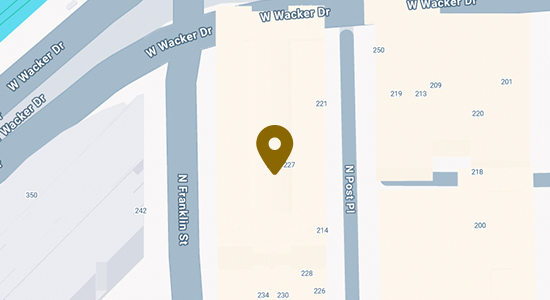
Visit Us